
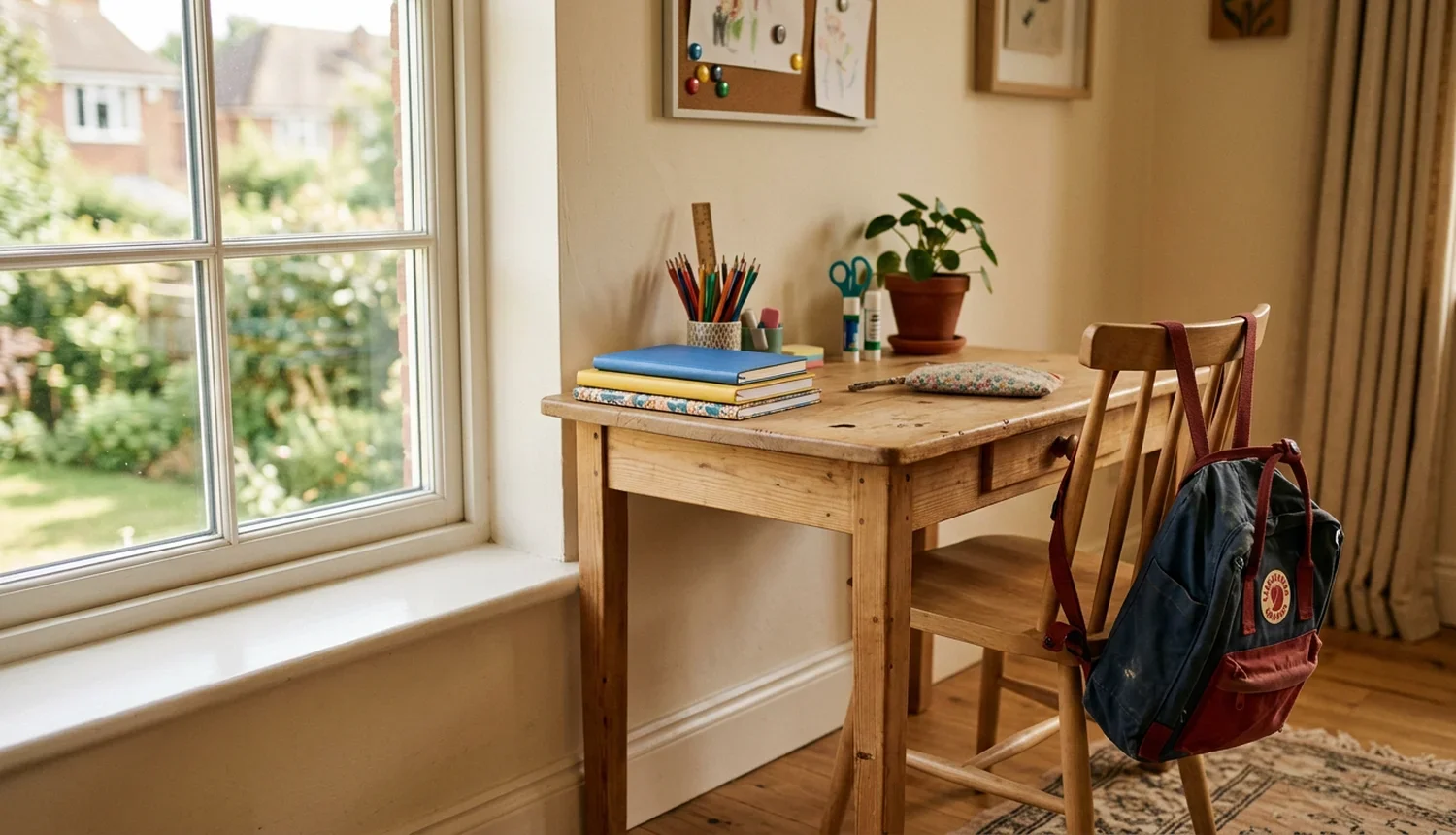
The first few weeks of school bring a lot of change — new schedules, new desks, heavier backpacks, and a lot more sitting than summer allowed. By week three or four, many Fort Mill parents start noticing something else: their child slouching more, complaining of a sore neck or back, or just seeming more tired than usual. That's not something to brush off.
Dr. Rob Cynowa explains what's really going on with growing spines this time of year — and what parents can do about it.
Why the First Weeks of School Are Hard on Growing Spines
Kids' spines are still developing, which means they're more sensitive to prolonged poor posture than adults realize. A few weeks of sitting hunched over a desk, carrying a heavy backpack on one shoulder, or looking down at a tablet can start to create real strain — especially once the novelty of a new school year wears off and habits set in.
Common culprits we see in Fort Mill and Tega Cay kids this time of year include:
- Backpacks worn too loose, too heavy, or on one shoulder
- Classroom chairs and desks that don't fit a growing body
- Increased screen time for homework and reading
- Less outdoor movement compared to summer routines
Signs Your Child's Posture May Be Affecting Their Spine
Posture issues don't always show up as obvious pain. Often, the signs are subtler — and easy for a busy parent to miss during a hectic school week.
- Slouching or a forward head posture, especially by afternoon
- Complaints of neck, shoulder, or upper back soreness
- Noticeable fatigue after a full school day
- Uneven shoulders or a backpack that seems to pull to one side
None of these are cause for panic — but they are worth paying attention to, especially if they continue for more than a couple of weeks.
How Chiropractic Care Supports Kids During the School Year
At Complete Wellness Chiropractic, pediatric care focuses on how the spine and nervous system are functioning as a child grows — not just on treating a specific complaint. Gentle, age-appropriate adjustments can help address the postural strain that builds up from long days at a desk, supporting better alignment, movement, and comfort as the school year continues.
Dr. Rob works with Fort Mill and Tega Cay families to build simple, sustainable habits alongside care — from backpack fit to desk setup at home — so progress made in the office carries through the rest of the week.
Simple Posture Habits for Home
- Choose a backpack with two padded straps and wear both
- Keep backpack weight to around 10–15% of your child's body weight
- Encourage movement breaks during homework time
- Set up a homework space where feet rest flat and screens sit at eye level
Frequently Asked Questions
How do I know if my child's posture issues need professional attention?
If soreness, slouching, or fatigue continues for more than a couple of weeks — or seems to be getting worse — it's worth having your child evaluated.
Is chiropractic care safe for school-age kids?
Yes. Pediatric adjustments use gentle, low-force techniques appropriate for a child's developing spine.
How often would my child need to be seen?
It depends on what's found during the initial exam. Dr. Rob builds a plan specific to your child after that first visit.
Can better posture habits alone fix the problem?
Habits help, but they work best alongside care that addresses any existing spinal restriction or misalignment.
Help Your Child Finish the School Year Strong
If your Fort Mill or Tega Cay child has seemed more sore, tired, or slouched since school started, it may be worth a closer look. Schedule a visit today and let Dr. Rob help your child stay comfortable and supported all year long.